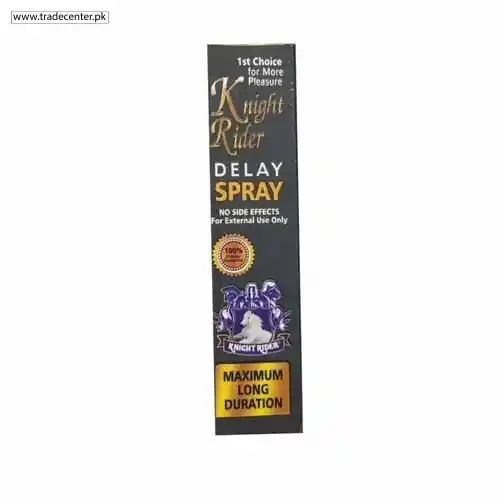
Is delay spray safe? For most healthy adults who follow the directions, a topical spray is usually tolerated, but it can cause irritation, too much numbness or an allergic reaction. This guide covers side effects, a simple patch test, who should avoid the product and when to see a doctor.
What are the common side effects of a delay spray?
Side effects depend on the product, the amount and the skin it meets. The usual ones are mild: redness, itching, a burning or stinging feeling, and numbness that lasts longer than expected. A partner can also feel numbness if residue stays on the skin. These effects often come from using too much, skipping the wipe-off or applying to skin that is not intact. Our existing article on side effects and how to use delay spray shows the steps in pictures.
What reactions are serious, and what should you do?
Swelling of the face, lips or tongue, hives that spread, trouble breathing, dizziness or a fast heartbeat need urgent medical help. These are signs of a severe allergic reaction and are not something to wait out at home. Stop using the product, rinse the area with water and get help immediately. Keep the carton so that a doctor can read the ingredient panel. Do not wait for the symptoms to pass on their own, because a severe reaction can worsen within minutes. Tell someone nearby what is happening, and note the time the product was applied.
Milder reactions, such as redness that fades within a short time, usually settle after washing the area with plain water. Do not apply creams or other products on top of an irritated area unless a pharmacist advises it, since that can add to the irritation and hide the cause.
How do you do a patch test?
- Wash and dry a small patch of skin on the inner forearm.
- Apply one pump, or the smallest amount the leaflet allows.
- Leave it for the full waiting time, then wipe off.
- Wait a day and watch the skin for redness, itching or swelling.
- If the skin stays calm, you can follow the leaflet on the intended area.
The American Academy of Dermatology describes the same method for new skin products. A patch test lowers the risk, but it cannot remove it entirely.
Who should avoid a delay spray, and how can you lower the chance of problems?
- Anyone under 18.
- Men with cuts, rashes, infections or inflamed skin in the area.
- People allergic to local anaesthetics or to any ingredient on the panel.
- Men who have had a bad reaction to a numbing cream or spray.
Ask a pharmacist before using it if you take regular medicines, have a heart or circulation condition, or have a skin disease such as eczema. If you are unsure, bring the box to the pharmacy and let them read the panel.
- Use the lowest amount the leaflet allows, and no more.
- Wait the printed time, with a clock and not a guess.
- Wipe off or wash off the surplus, as the leaflet directs.
- Do not apply to freshly shaved or broken skin.
- Do not combine with other numbing products.
- Never use it near the eyes, and never swallow it.
- Stop using a bottle that has changed colour, smell or consistency since you opened it.
Spray products are also flammable in some formulas, so keep them away from flames and use them in a ventilated room. If you share a home, store the bottle where children cannot find it, because swallowing or spraying it near the face needs urgent medical advice.
Does it protect against infection or pregnancy?
No. A delay spray changes skin sensitivity, nothing else. Condoms used correctly every time lower the risk of pregnancy and many infections, although no method is perfectly safe. The CDC condom guidance explains correct use, including why oil-based products and latex condoms do not mix.
What should you check in Pakistan before using a bottle?
Look at the seal, the ingredient panel, the batch code and the expiry date. Store the bottle capped, upright and cool, because summer heat in Karachi and Lahore or steam in a bathroom can alter liquids. For a full delivery-day routine, see how to check a delay spray pack before you pay.
What does a delay spray cost in Pakistan?
Each product page shows a PKR price at the top, and it varies with brand and bottle size. Safety should not be traded for a lower figure: a bottle with a complete ingredient panel, a sealed carton and a clear expiry date is worth more than a cheaper one that lacks them. Compare like with like, as the price guide explains.
When should you see a doctor?
See one if a reaction does not settle within a day, if numbness lasts far longer than the leaflet says, or if early finishing keeps happening. Causes such as anxiety, stress or a medical condition need a professional's advice, and the Mayo Clinic guide to premature ejaculation explains what a visit involves.
Frequently asked questions about delay spray safety
Can a delay spray damage the skin?
It can irritate, especially if you use too much, apply to broken skin or react to an ingredient. Most reactions settle after washing and stopping. Persistent redness, pain or blistering should be seen by a doctor, with the carton in hand.
Is it safe to use a delay spray with a condom?
Some couples do, but read the leaflet for advice on drying time, since some liquids can affect how a condom sits or feels. Avoid oil-based products with latex, and ask a pharmacist if the pack says nothing about condoms.
How long should numbness last?
Follow the leaflet. If numbness lasts far longer than the pack describes, wash the area with water, use less next time and speak to a pharmacist. Do not use more to compensate, and do not combine with other numbing products.
Which spray is safest?
No bottle can be called safest from the title. Safety depends on the ingredient list, your own skin and how you use it. Compare labels in the delay spray collection, patch test and follow the directions.